Walrus facts
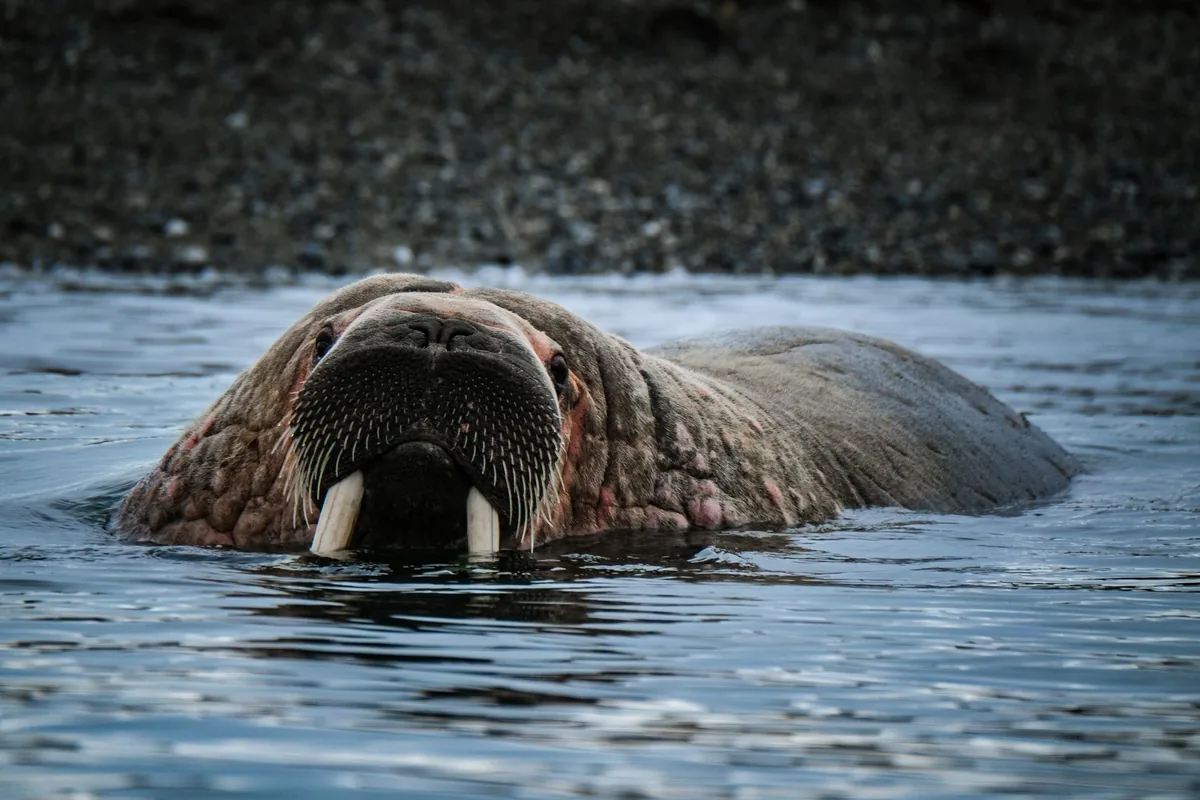
The walrus is a large Arctic pinniped distinguished by its prominent ivory tusks, which both males and females develop, and its dense facial whiskers. The species is instantly recognizable by these physical features, which serve important ecological and social functions in its harsh marine environment.
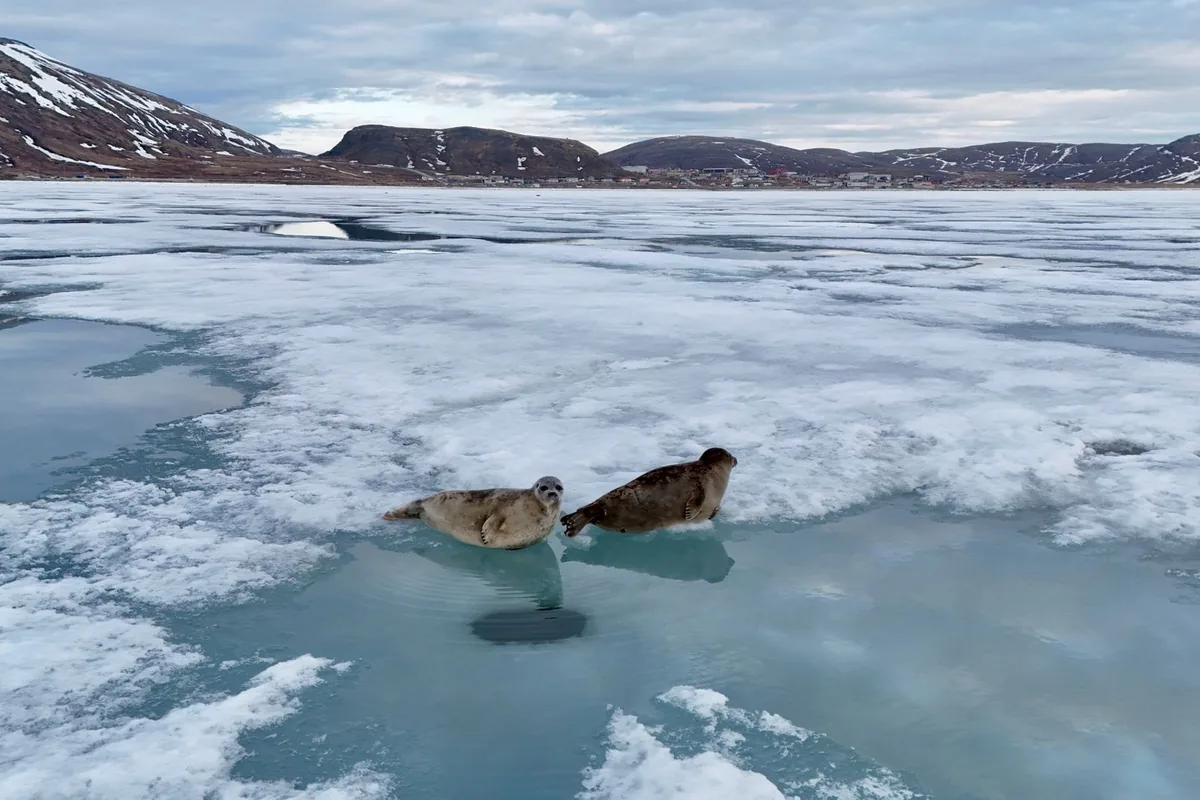
Walruses depend heavily on sea ice as a platform for rest, reproduction, and social gathering. Females haul out on ice floes to give birth and nurse their young, making stable ice conditions essential to successful breeding. Like the narwhal, another iconic Arctic marine mammal, the walrus is tightly bound to Arctic ice ecosystems and vulnerable to environmental changes affecting ice extent and stability.
The species is a benthic forager, diving to the seafloor to feed primarily on clams and other mollusks. This specialized diet and diving behavior underscore the walrus's deep adaptation to Arctic waters and its reliance on intact sea-ice platforms for rest between feeding dives.
The walrus's dependence on Arctic ice for reproduction, rest, and access to feeding grounds makes it a key indicator species for the health of polar marine ecosystems. Changes to ice availability directly influence walrus survival and population dynamics throughout the Arctic.
Sources: NOAA Fisheries — Pacific Walrus (overview); IUCN Red List — Walrus (Odobenus rosmarus). Educational information only. See our sources & fact-check policy.
Frequently asked questions
How big is the walrus?
The walrus grows to about about 2.7–3.6 m and can weigh up to ~1,500 kg.
What does the walrus eat?
Its diet is mainly clams and other seafloor invertebrates.
Where does the walrus live?
It is found in the arctic ocean & subarctic seas.
Is the walrus endangered?
The IUCN Red List classifies the walrus as Vulnerable. Its estimated population is ~225,000.
More in Arctic wildlife
Compare the Arctic species
See size, weight, lifespan, diet, range, and conservation status side by side.
Compare Arctic species →