The narwhal & the unicorn myth
See all narwhal pictures & images →
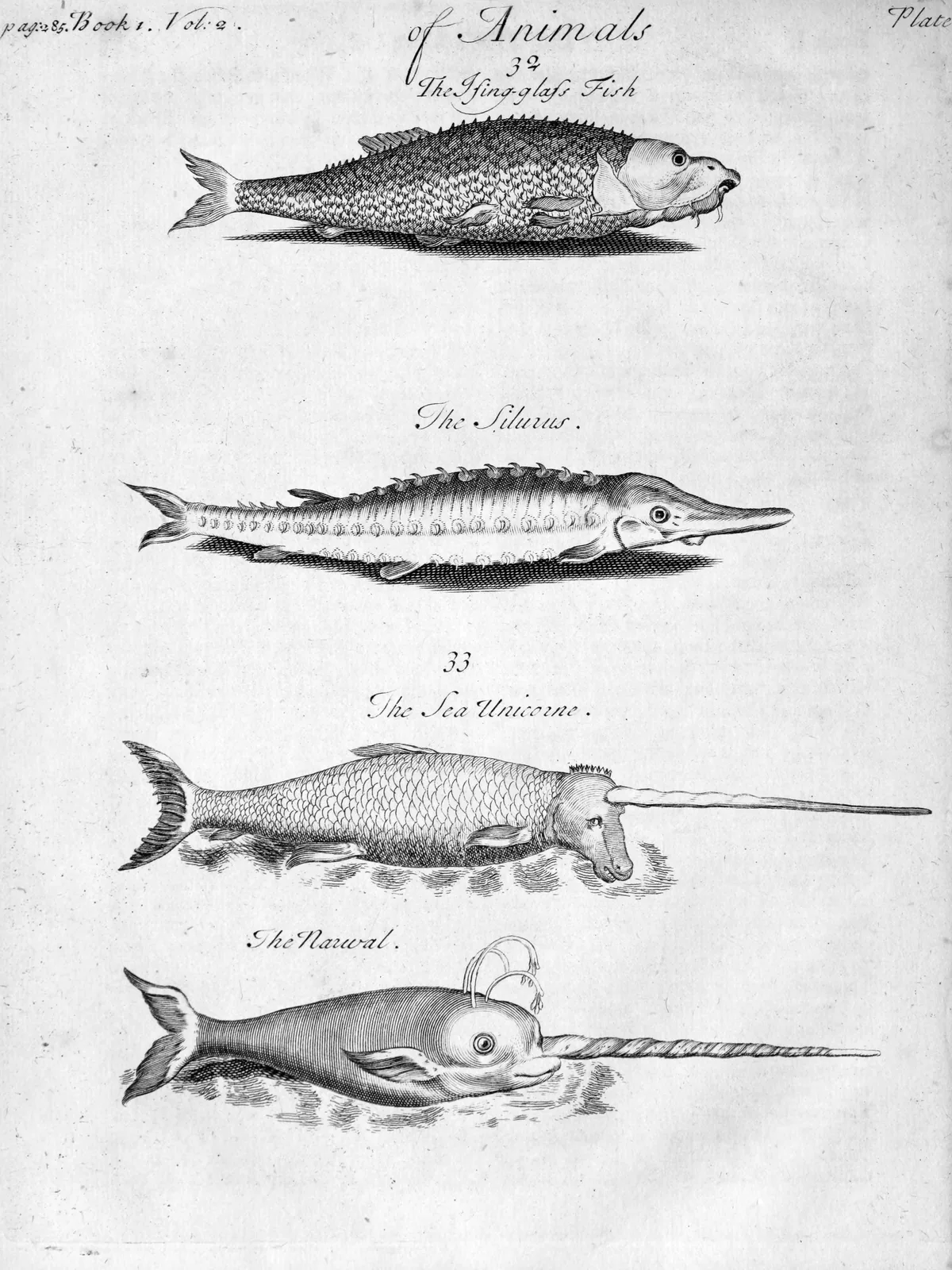
For centuries, the most coveted and expensive object in European courts was not gold or jewels but a twisted, ivory-colored horn believed to possess supernatural powers. These "unicorn horns," or alicorns as they were called in the medieval and Renaissance periods, were in fact the tusks of the narwhal, an Arctic marine mammal rarely encountered by European traders and seafarers. Norse and other northern merchants sold these distinctive spiraled teeth across continental Europe, claiming they could detect poison in food and drink, neutralize toxins, and cure a range of illnesses from pestilence to melancholy. The mystique surrounding the supposed magical object drove prices to extraordinary heights; a single narwhal tusk could command a sum many times its weight in gold.
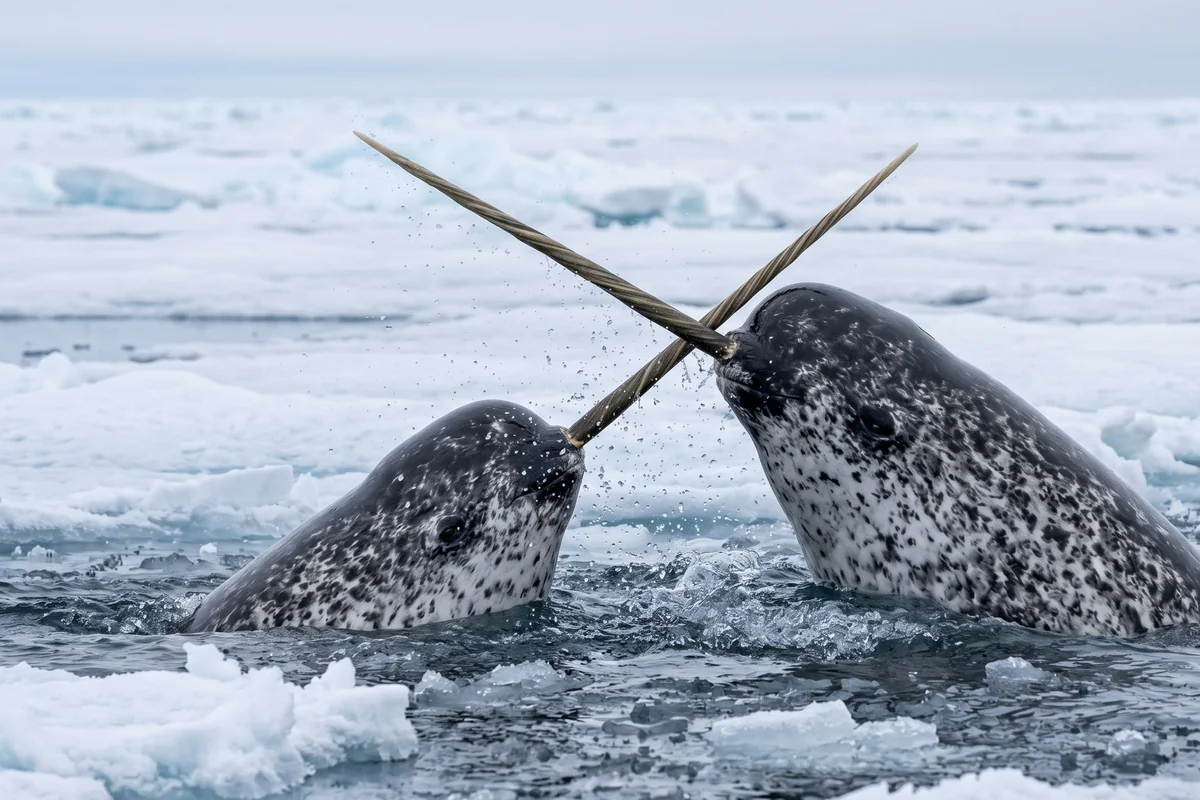
The scarcity of narwhals in European experience made the deception remarkably effective. Few people in England, France, or the Italian states had encountered the Arctic animals themselves or understood the true nature of the tooth. Queen Elizabeth I is recorded as having paid a sum reportedly comparable to the cost of a castle for a narwhal tusk, which she then displayed prominently as a royal scepter. This grand tusk was never a unicorn horn at all but the tooth of a living arctic whale.
The "unicorn horn" trade represents a striking chapter in the history of natural history and human credulity. The supposed magical properties were entirely folklore; the narwhal tusk is simply a biological feature of the species, with no curative or prophylactic capacity. As knowledge of Arctic geography and fauna eventually expanded in the early modern period, the deception gradually unraveled, revealing one of history's most elaborate cases of mistaken identity driven by distance, ignorance, and the human appetite for the marvelous.
Sources: Smithsonian Ocean — Narwhal: The Unicorn of the Sea; NOAA Fisheries — Narwhal. Educational information only. See our sources & fact-check policy.
Frequently asked questions
Are narwhals real animals?
Yes. The narwhal (Monodon monoceros) is a real Arctic toothed whale. The 'unicorn' association is historical folklore from when its tusks were sold as unicorn horns.
The myth of the the narwhal & the unicorn myth?
Tusks sold as magical 'unicorn horns' (alicorns)
Claimed power of the the narwhal & the unicorn myth?
Detecting/neutralising poison; healing
Value of the the narwhal & the unicorn myth?
Many times their weight in gold
More in Narwhal
Explore more Arctic wildlife
Compare the narwhal with the beluga, bowhead, orca, walrus, and polar bear in our quick-facts table.
Compare Arctic species →