Killer whale (orca) facts
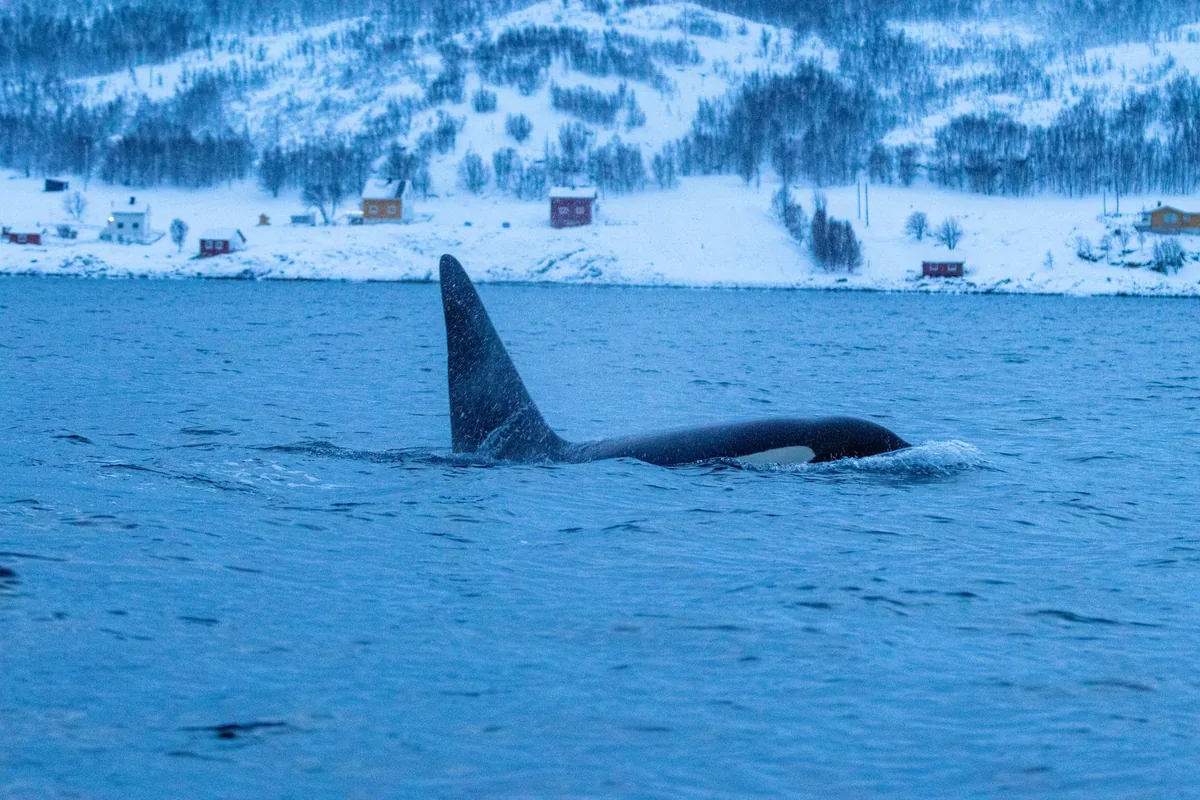
The killer whale, scientifically known as Orcinus orca, ranks among the ocean's apex predators and represents the largest member of the dolphin family. These marine mammals are distinguished by their high intelligence and strongly social behavior, living and hunting in coordinated family groups called pods. Killer whales employ sophisticated cooperative hunting strategies that allow them to pursue and capture prey far larger than themselves.
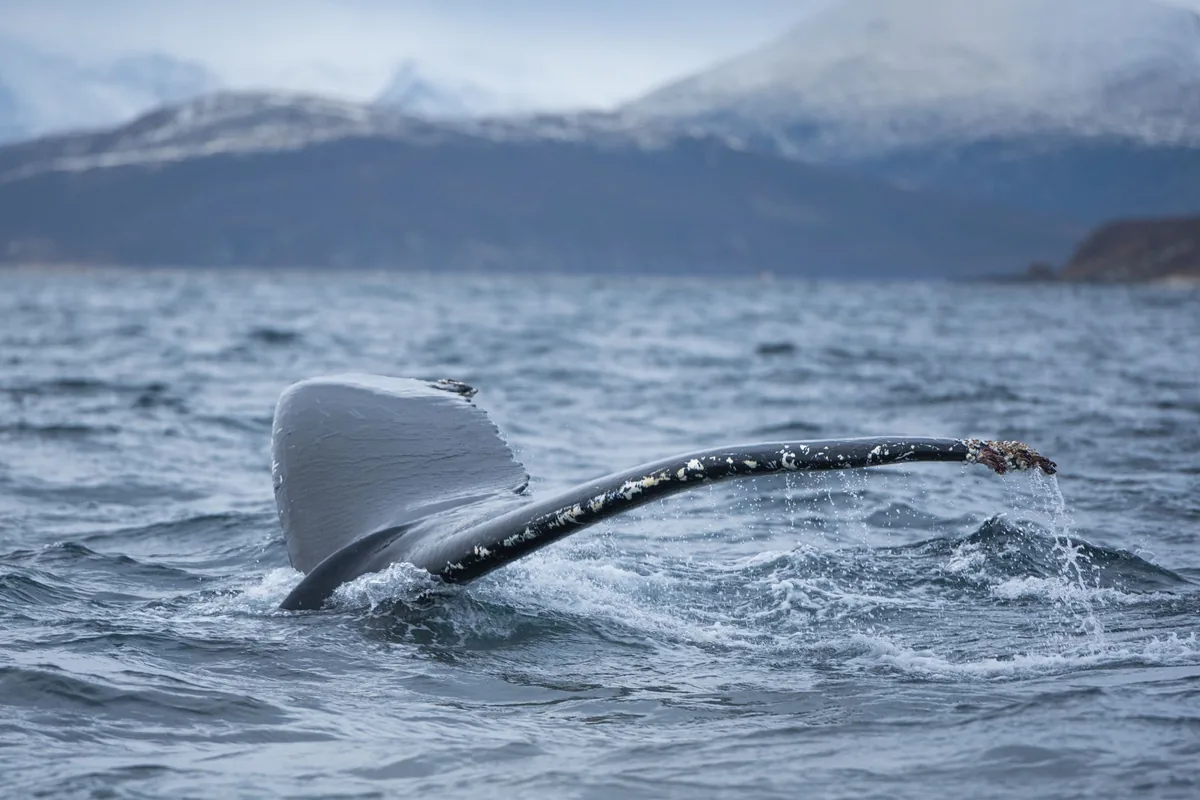
As Arctic sea ice continues to retreat due to changing climate conditions, killer whales have extended their range farther into northern waters. This northward expansion has positioned them as an increasingly significant natural predator of Arctic marine species, particularly narwhals and belugas. The ecological relationship between killer whales and these smaller cetaceans represents a shifting dynamic in Arctic food webs as environmental conditions transform.
The presence of killer whales in Arctic regions underscores both the adaptability of these predators and the cascading effects of environmental change on marine ecosystems. Their role as apex predators demonstrates the interconnected nature of ocean life, where shifts in ice coverage, species distribution, and predator-prey relationships influence the survival and behavior of Arctic marine communities. Understanding killer whale ecology remains essential for monitoring Arctic ecosystem health in a period of rapid environmental transition.
Sources: NOAA Fisheries — Killer Whale; IUCN Red List — Killer Whale (Orcinus orca). Educational information only. See our sources & fact-check policy.
Frequently asked questions
How big is the killer whale (orca)?
The killer whale (orca) grows to about about 6–9 m and can weigh up to ~6,000 kg.
What does the killer whale (orca) eat?
Its diet is mainly fish, seals, other whales (varies by population).
Where does the killer whale (orca) live?
It is found in the all oceans, including the arctic.
Is the killer whale (orca) endangered?
The IUCN Red List classifies the killer whale (orca) as Data Deficient. Its estimated population is ~50,000 (global).
More in Arctic whales
Compare the Arctic species
See size, weight, lifespan, diet, range, and conservation status side by side.
Compare Arctic species →