Bowhead whale facts
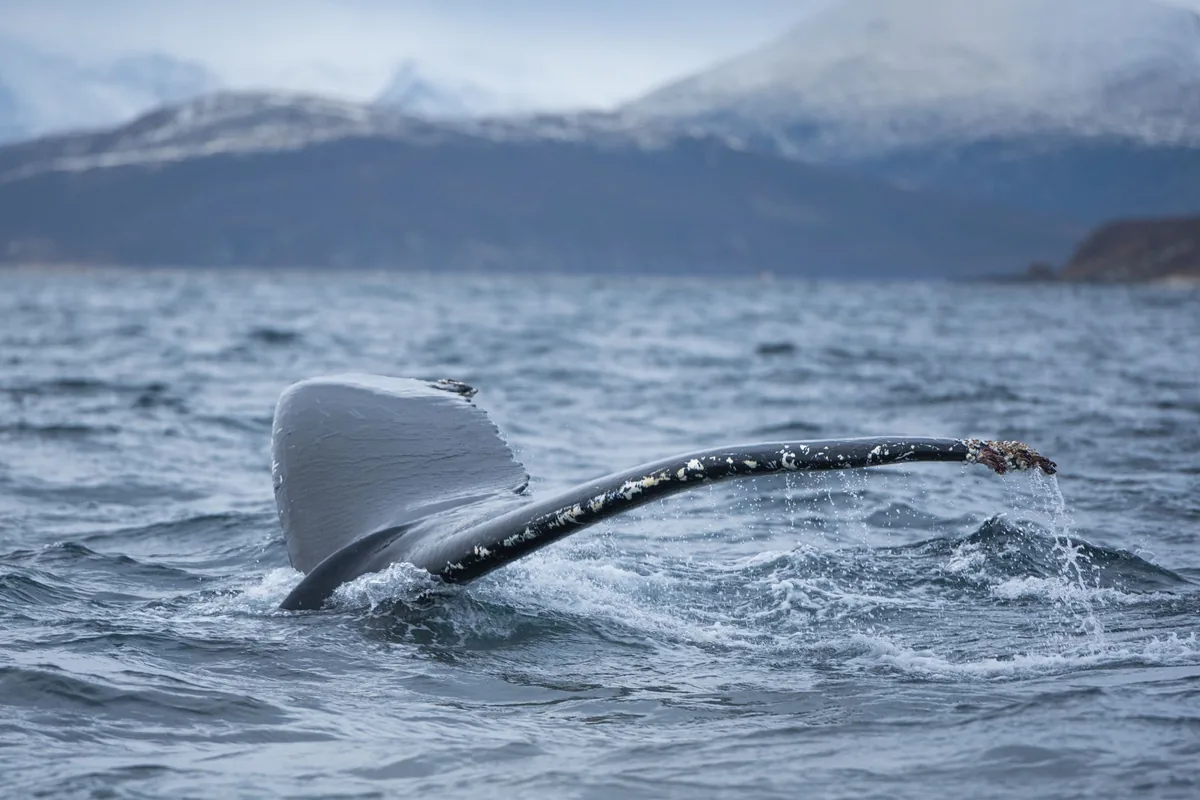
The bowhead whale is a massive baleen whale that inhabits Arctic waters throughout its entire life. Distinguished by its enormous bowed head, the species uses this distinctive feature to break through sea ice, allowing it to surface and breathe in environments where open water is scarce. This adaptation makes the bowhead uniquely suited to year-round Arctic existence, unlike many other cetaceans that migrate seasonally.
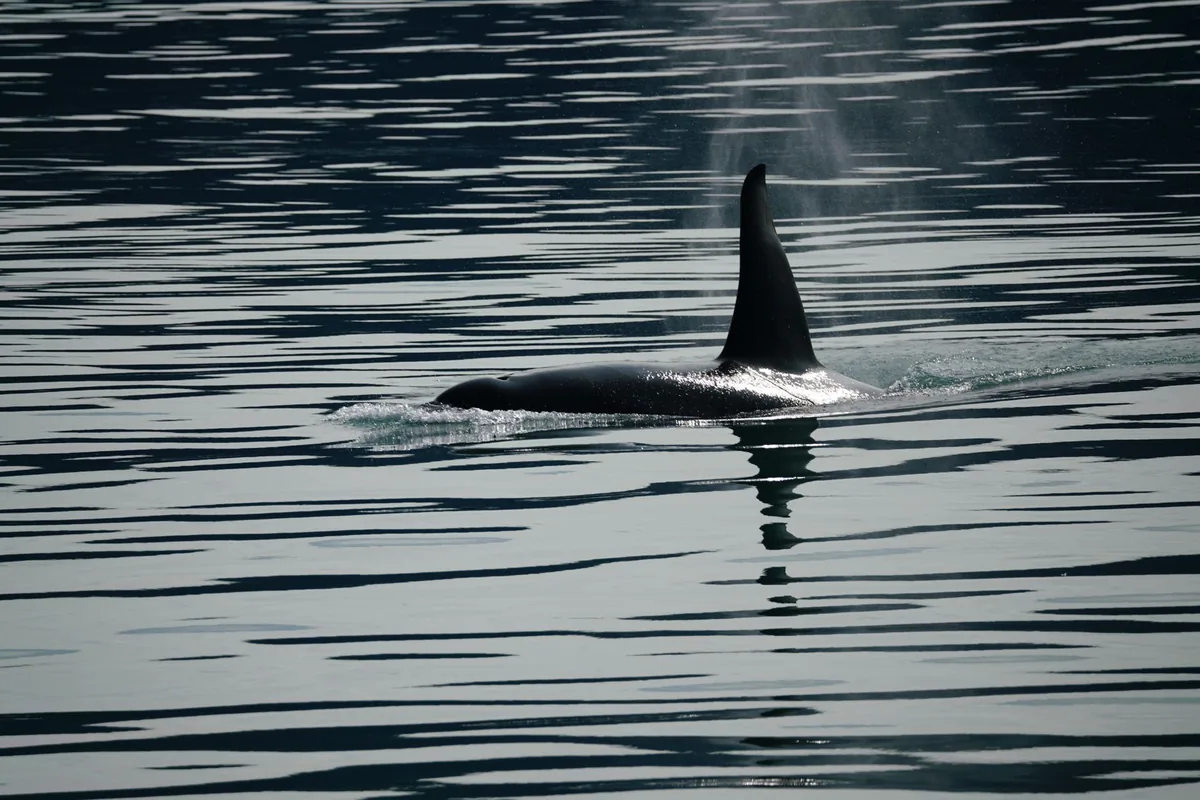
The bowhead feeds by filter-feeding on small zooplankton, straining these tiny organisms from the water through baleen plates. This diet sustains the whale's considerable body mass across the cold Arctic seas where it travels alongside other Arctic marine mammals, including the narwhal, with which it shares its polar habitat.
Perhaps most remarkably, the bowhead whale is believed to be the longest-lived mammal on Earth. Scientific evidence suggests that some individuals have exceeded 200 years in age, a longevity that sets this species apart from nearly all other animals. This extraordinary lifespan, combined with its specialized ice-breaking adaptation and year-round Arctic presence, makes the bowhead a distinctive and significant component of polar marine ecosystems.
Sources: NOAA Fisheries — Bowhead Whale; IUCN Red List — Bowhead (Balaena mysticetus). Educational information only. See our sources & fact-check policy.
Frequently asked questions
How big is the bowhead whale?
The bowhead whale grows to about about 14–18 m and can weigh up to ~100,000 kg.
What does the bowhead whale eat?
Its diet is mainly zooplankton (copepods, krill) — filter feeder.
Where does the bowhead whale live?
It is found in the arctic & subarctic, circumpolar.
Is the bowhead whale endangered?
The IUCN Red List classifies the bowhead whale as Least Concern. Its estimated population is ~25,000+.
More in Arctic whales
Compare the Arctic species
See size, weight, lifespan, diet, range, and conservation status side by side.
Compare Arctic species →